Within a Casting Foundry: The Soul of Metal Manufacturing
Inside a casting foundry, processes unfold that are essential to metalworking industries. Industrial furnaces convert alloys into molten states, while trained workers oversee detailed casting molds. Automation plays a key role, boosting productivity and sustainable practices. However, the industry faces significant hurdles that could shape its trajectory ahead. Understanding these dynamics exposes more than standard output metrics; it underscores a intricate relationship of established practices and modern advancements. What awaits for this essential industry?
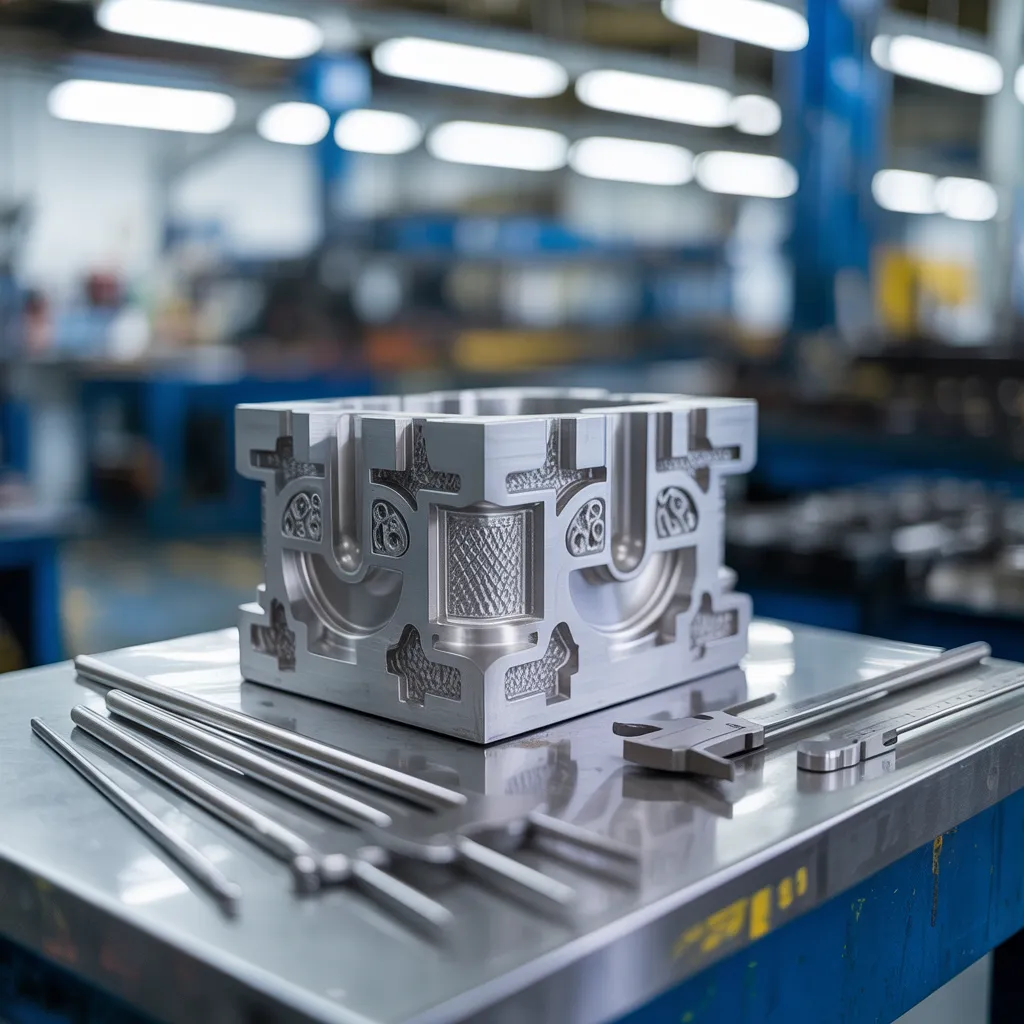
The Basics of Metal Casting
Metal casting serves as a fundamental process in manufacturing, transforming liquid metal into solid forms. This method has been used for centuries, enabling artisans and manufacturers to produce components with complex shapes and accurate dimensions. The technique commences with identifying suitable metal alloys, which are afterward heated and melted at high temperatures.
After melting, the metal is directed into molds created to form the final product. The molds used can be constructed from a range of materials, including ceramic, sand, and metal, according to the necessary specifications and manufacturing volume.
Once the metal has cooled and solidified, the mold is removed, revealing the cast object. This process delivers notable benefits, such as reduced material waste and the capacity to manufacture intricate geometries that would be hard to attain through conventional manufacturing processes. Grasping these fundamentals is crucial for grasping the value of metal casting in modern industry.
Key Processes in Metal Casting: Melting, Molding, and Refinement
The art of metal casting encompasses three essential stages: melting, molding, and refinement. At the outset, metal is heated in a furnace until it achieves a liquid molten state, facilitating greater workability. The melting process is a critical step, as it directly influences the quality of the end result.
After this process, the melted metal is cast into casting molds, which mold it into defined shapes. The choice of mold material—including options such as metal, sand, or ceramic—impacts the cast piece's surface finish and dimensional precision.
In the final stage, refinement involves allowing the cast metal to cool and solidify, with subsequent processes such as machining, polishing, or heat treatment to strengthen its mechanical qualities. This stage guarantees the finished product satisfies strict quality standards and precise specifications. Each of these processes is essential, supporting the overall productivity and quality of metal casting, resulting in high-quality components for various industries.
Innovations in Today's Foundry Industry
As the foundry field progresses, innovations are reshaping traditional practices, boosting performance and eco-conscious operations. Technological progress, like 3D printing, are revolutionizing mold production, enabling intricate designs and shorter production timelines. This method not only minimizes waste but also enables customization, meeting specific client demands more effectively.
Additionally, the incorporation of automation and robotics optimizes operations, improving operational efficiency and lowering human error rates. Modern manufacturing technologies, including IoT-enabled sensors, provide real-time analytical insights, enabling exact operational tracking and proactive predictive maintenance.
In addition, sustainable methods and materials are increasingly being adopted, minimizing the environmental effects of the casting process. The use of reclaimed metals and energy-efficient heating systems demonstrates a change towards more environmentally responsible operations, contributing to worldwide environmental objectives. These developments jointly support a stronger and more sustainable casting sector, well-positioned to navigate future obstacles while satisfying the growing requirements of the marketplace.
What Challenges Do Casting Foundries Face?
What difficulties do casting foundries experience in an constantly changing industry? One primary difficulty involves the fluctuation in raw material costs, which can severely impact production budgets. Furthermore, environmental regulations are getting progressively stricter, forcing foundries to implement cleaner technologies to minimize environmental impact. This transition demands significant capital investment, which can burden smaller facilities.
Furthermore, overseas manufacturing competition often leads to downward price pressure, posing challenges for home-based foundries to maintain profitability. Foundries also grapple with accommodating rapid technological advancements, such as automated systems and digital integration, which necessitate sustained training efforts and financial investment.
Finally, supply chain challenges, intensified by international developments, present an ongoing risk, disrupting the on-time delivery of parts and raw materials. Collectively, these challenges require metal casting operations to become flexible and inventive to excel within a demanding market landscape.
The Significance of Skilled Labor in Casting Foundries
Although automation and technology persistently transform the industrial sector, skilled labor remains a cornerstone of operations in casting foundries. The complex character of foundry work demands a level of expertise that machines alone cannot replicate. Trained personnel hold the knowledge to analyze intricate blueprints, identify the right materials, and resolve challenges that emerge during the production cycle. Their hands-on experience is essential for ensuring quality control and precision, most critically in complex undertakings that require precise measurements.
In addition, skilled labor plays a significant role in maintaining and optimizing machinery, making certain that production flows smoothly and productively. As casting operations progress, these employees are also charged with modifying and perfecting approaches, blending innovative technologies while maintaining time-honored craftsmanship. Across this progressive field, the collaboration between experienced workers and technological progress is essential for preserving the excellence and consistency that distinguish reputable casting foundries.
Upcoming Trends in Casting: What Lies Ahead for the Industry?
Emerging trends in the foundry sector are poised to reshape its direction, propelled by advancements in technology and evolving market demands. AI and automation are progressively optimizing production processes, improving accuracy and lowering operational expenses. Furthermore, the incorporation of 3D printing is reshaping mold production, allowing for greater design complexity and shorter production timelines.
Sustainability is emerging as a key priority as companies aim to minimize their environmental footprint. This encompasses the use of recycled materials and the adoption of energy-efficient processes across foundries. In addition, the demand for lightweight materials, particularly in the automotive and aerospace sectors, is pushing innovations in alloy development.
The field is equally observing a transition toward modernization, with IoT technologies enabling real-time monitoring and predictive maintenance. As these developments align, the casting field is poised to witness considerable advancements, positioning itself to meet the demands of an evolving worldwide environment.
Common Questions and Answers
What Types of Metals Are Commonly Cast in Foundries?
Frequently cast metals in foundries consist of aluminum, iron, steel, bronze, and brass. Each of these metals holds unique attributes, making them well-suited for numerous applications, from automotive components to decorative items, showcasing the flexibility of casting techniques.
What Are the Environmental Impacts of Metal Casting?
Metal casting operations impacts the environment through waste generation, emissions, and energy consumption. This process can lead to both air and water contamination, while also consuming substantial resources, prompting the need for sustainable practices and technologies in the field.
What Safety Measures Are in Place for Foundry Workers?
Foundries implement various protective measures, including protective gear, ventilation setups, routine training programs, and rigorous compliance with safety protocols. These practices aim to limit potential dangers and ensure a protected workplace setting for all employees.
How Do Experts Identify and Resolve Casting Defects?
Casting defects are identified through visual examinations, dimensional assessments, and non-destructive evaluation techniques. Remediation includes adjusting processes, repairing defects, or re-casting as necessary to maintain quality standards and relevant resource conformance to requirements.
What Is the Standard Production Timeline for a Casting?
A standard production timeline for a casting includes multiple stages: pattern creation, mold making, pouring, cooling, and finishing. The process usually spans from a few days to several weeks, based on complexity and production volume.
Comments on “Casting Foundry: Engineering Innovation for Structural Parts”